
FIELD TRIPS
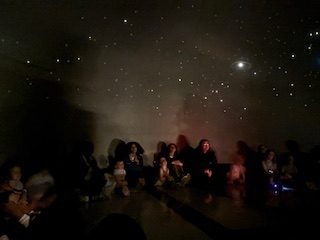
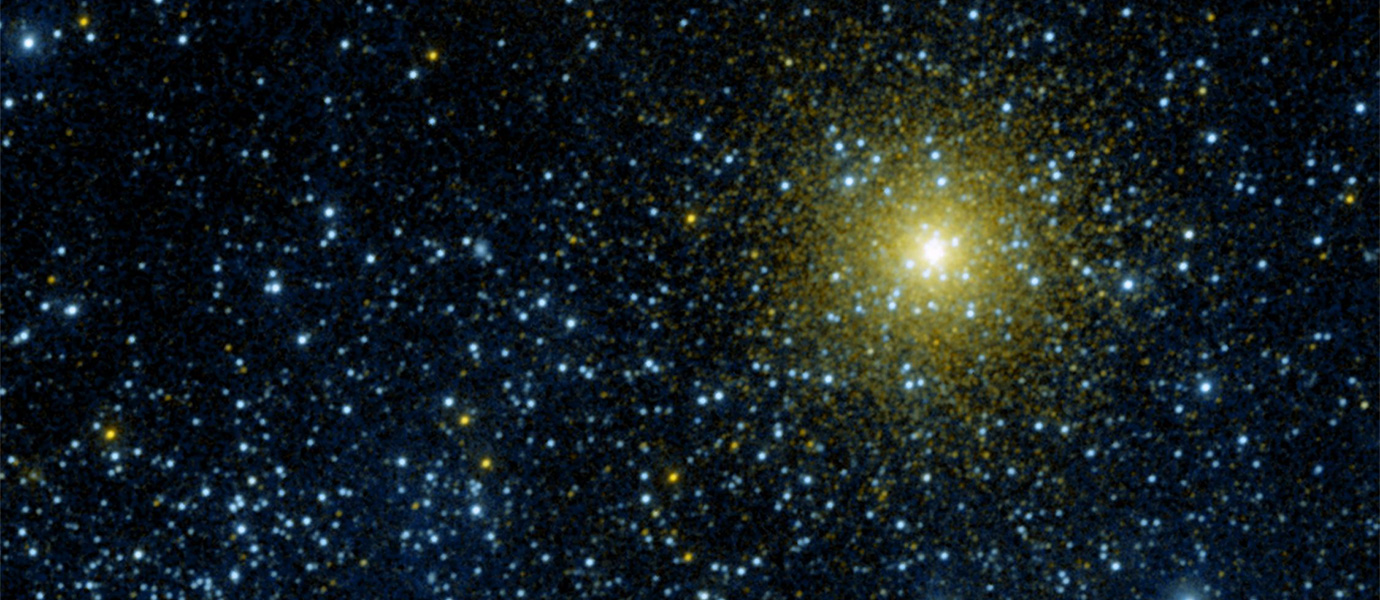
What's Out There...The Starlab Portable Planetarium System Program makes it possible for students to observe the evening sky in their own classroom in. We make it possible for students to become amateur astronomers in a personalized setting with interactive presentations, the students are the assistants to the presenter. They will help locate major stars, planets that are visible and the moon. The goal of our program is to engage students in learning, to have them develop an appreciation of astronomy and a genuine curiosity about the world around them by participating in an active learning experience.
supports classroom learning in:
Astronomy, Planets, Solor System
topics covered:
Galaxy, Planets, Solar System, Stars, Sun, Moon, Night Sky
contact info
Phone: 908-347-5185
Email: [email protected]
INFO
ABOUT
What’s Out There
Using the Starlab Portable Planetarium System, What's Out There, bring the universe to your location. A field trip without leaving the site. The student, scout, camp and homeschool groups are able to view the nighttime sky on the particular day of the visit. They will observe the stars, planets, the moon and other celestial objects as they appear in the evening sky. Great for celebrations and birthday parties.
contact info
Hrs: Varies
HELPFUL LESSON PLAN(S)
Prepared by FieldTripDirectory.com
Planetarium Lesson Plan
FUN FACTS
Earth has more exposed water than land. Three quarters of the Earth is covered by water! The earth has one moon.
Venus is the brightest planet in our sky and can sometimes be seen with the naked eye if you know where to look. It is the solar system’s brightest planet — yellow clouds of sulfuric acid reflect the sun’s light.
Jupiter is so big that you could fit all the other planets in the solar system inside it.
Pluto is no longer considered a planet — instead, astronomers call it a dwarf planet or planetoid.
View Lesson Plan>>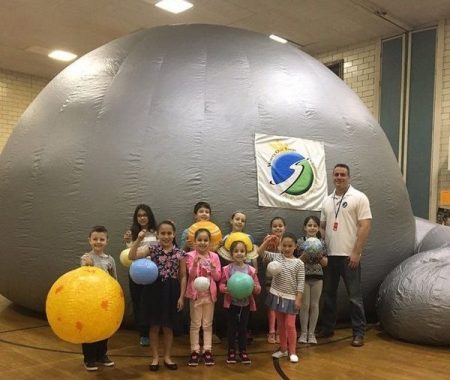
FIELD TRIPS
What's Out There...The Starlab Portable Planetarium System Program makes it possible for scouts to observe the evening sky in their own location. We make it possible for all scouts to become amateur astronomers in a personalized setting with interactive presentations, the scouts are the assistants to the presenter. They will help locate major stars, planets that are visible and the moon. The goal of our program is to engage all scouts in learning, to have them develop an appreciation of astronomy and a genuine curiosity about the world around them by participating in an active learning experience.
supports scout badges in:
Astronomy
topics covered:
Galaxy, Planets, Solar System, Stars, Sun, Moon, Night Sky
contact info
Name: Matt Meyers
Phone: 908-347-5185
Email: [email protected]
INFO
ABOUT
What’s Out There
Using the Starlab Portable Planetarium System, What's Out There, bring the universe to your location. A field trip without leaving the site. The student, scout, camp and homeschool groups are able to view the nighttime sky on the particular day of the visit. They will observe the stars, planets, the moon and other celestial objects as they appear in the evening sky. Great for celebrations and birthday parties.
contact info
Hrs: Varies
HELPFUL LESSON PLAN(S)
Prepared by FieldTripDirectory.com
Planetarium Lesson Plan
FUN FACTS
Earth has more exposed water than land. Three quarters of the Earth is covered by water! The earth has one moon.
Venus is the brightest planet in our sky and can sometimes be seen with the naked eye if you know where to look. It is the solar system’s brightest planet — yellow clouds of sulfuric acid reflect the sun’s light.
Jupiter is so big that you could fit all the other planets in the solar system inside it.
Pluto is no longer considered a planet — instead, astronomers call it a dwarf planet or planetoid.
View Lesson Plan>>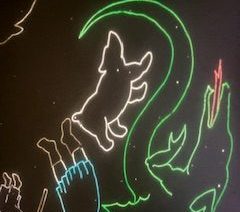
FIELD TRIPS
What's Out There...The Starlab Portable Planetarium System Program makes it possible for campers to observe the evening sky in their own location. We make it possible for campers to become amateur astronomers in a personalized setting with interactive presentations, the campers are the assistants to the presenter. They will help locate major stars, planets that are visible and the moon. The goal of our program is to engage campers in learning, to have them develop an appreciation of astronomy and a genuine curiosity about the world around them by participating in an active learning experience.
topics covered:
Galaxy, Planets, Solar System, Stars, Sun, Moon, Night Sky
contact info
Name: Matt Meyers
Phone: 908-347-5185
Email: [email protected]
INFO
ABOUT
What’s Out There
Using the Starlab Portable Planetarium System, What's Out There, bring the universe to your location. A field trip without leaving the site. The student, scout, camp and homeschool groups are able to view the nighttime sky on the particular day of the visit. They will observe the stars, planets, the moon and other celestial objects as they appear in the evening sky. Great for celebrations and birthday parties.
contact info
Hrs: Varies
FIELD TRIPS
What's Out There...The Starlab Portable Planetarium System Program makes it possible for homeschool students to observe the evening sky in their own classroom in. We make it possible for students to become amateur astronomers in a personalized setting with interactive presentations, the students are the assistants to the presenter. They will help locate major stars, planets that are visible and the moon. The goal of our program is to engage students in learning, to have them develop an appreciation of astronomy and a genuine curiosity about the world around them by participating in an active learning experience.
supports classroom learning in:
Astronomy, Planets, Solor System
topics covered:
Galaxy, Planets, Solar System, Stars, Sun, Moon, Night Sky
contact info
Name: Matt Meyers
Phone: 908-347-5185
Email: [email protected]
INFO
ABOUT
What’s Out There
Using the Starlab Portable Planetarium System, What's Out There, bring the universe to your location. A field trip without leaving the site. The student, scout, camp and homeschool groups are able to view the nighttime sky on the particular day of the visit. They will observe the stars, planets, the moon and other celestial objects as they appear in the evening sky. Great for celebrations and birthday parties.
contact info
Hrs: Varies
HELPFUL LESSON PLAN(S)
Prepared by FieldTripDirectory.com
Planetarium Lesson Plan
FUN FACTS
Earth has more exposed water than land. Three quarters of the Earth is covered by water! The earth has one moon.
Venus is the brightest planet in our sky and can sometimes be seen with the naked eye if you know where to look. It is the solar system’s brightest planet — yellow clouds of sulfuric acid reflect the sun’s light.
Jupiter is so big that you could fit all the other planets in the solar system inside it.
Pluto is no longer considered a planet — instead, astronomers call it a dwarf planet or planetoid.
View Lesson Plan>>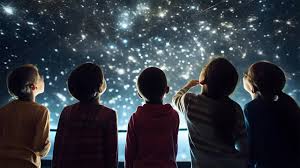
BIRTHDAY PARTIES
What's Out There...The Starlab Portable Planetarium System Program makes a special birthday party celebration at your location. Your child and his/her guests become amateur astronomers by participation in interactive presentations. They will help locate major stars, planets that are visible and the moon. Bring the stars to your celebration creating a very unique celebration!
topics covered:
Galaxy, Planets, Solar System, Stars, Sun, Moon, Night Sky
contact info
Name: Matt Meyers
Phone: 908-347-5185
Email: [email protected]
INFO
ABOUT
What’s Out There
Using the Starlab Portable Planetarium System, What's Out There, bring the universe to your location. A field trip without leaving the site. The student, scout, camp and homeschool groups are able to view the nighttime sky on the particular day of the visit. They will observe the stars, planets, the moon and other celestial objects as they appear in the evening sky. Great for celebrations and birthday parties.
contact info
Hrs: Varies