
FIELD TRIPS
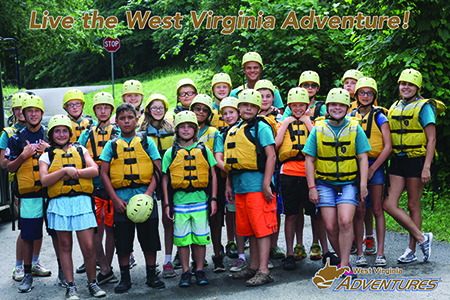
Students of all ages will have a great time exploring West Virginia’s natural landscape while rafting with West Virginia Adventures. Rafting trips are filled with a variety of fun historical points of interest and bird watching opportunities. Students will learn about the creation of Summersville Dam, Civil War battles, remnants of old coal mining operations, and more, spotting water birds and the occasional bald eagle along the way. Special rates for school groups are available.
supports classroom learning in:
Physical Education, Science, Social Studies
contact info
Name: Guest Services
Phone: 800-292-0880
INFO
ABOUT
West Virginia Adventures
From Class I to Class V rapids, West Virginia Adventures provides groups with exciting white water rafting experiences in New River Gorge National Park and the Gauley River National Recreation Area. Rafting trips on the Upper/Lower New River or Gauley River with an experienced guide allow groups to take in the area’s picturesque scenery, see rock formations up close, and spot a variety of birds. Select trips include lunch with a build-your-own sandwich buffet, fruit, and more. Customized trip start and end times are available.
contact info
Hrs: 7AM-7PM.
HELPFUL LESSON PLAN(S)
Prepared by FieldTripDirectory.com
Kayaking and Rafting Lesson Plan
FUN FACTS
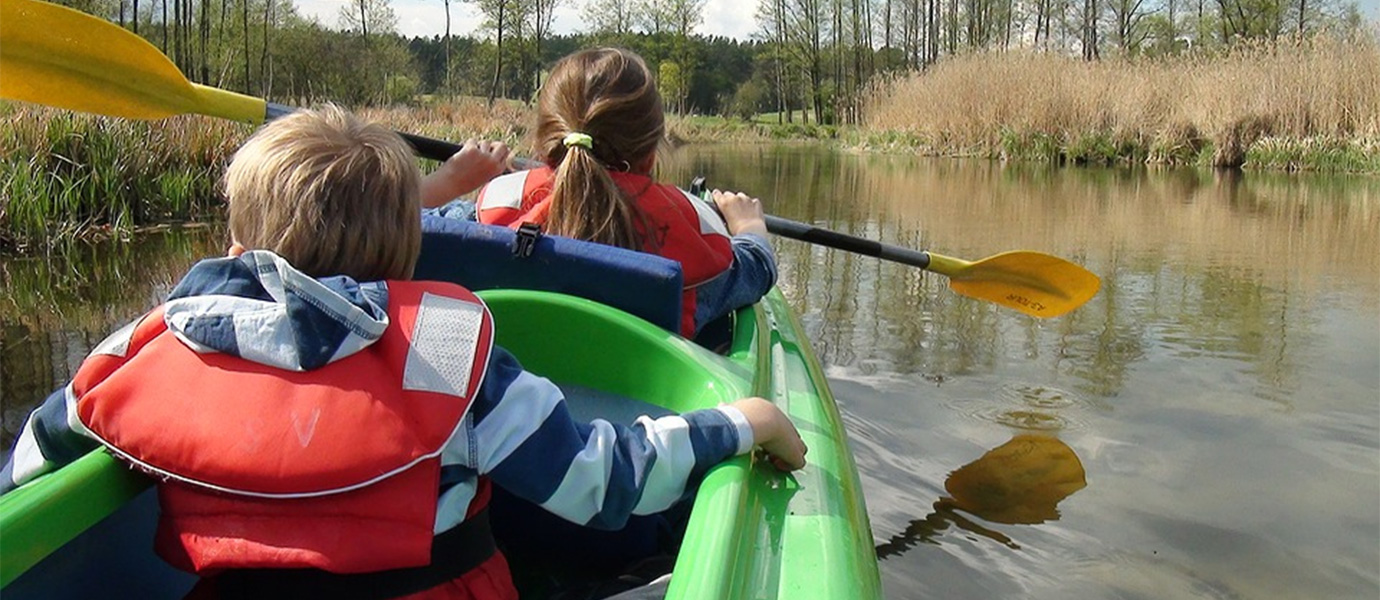
Ever wonder how a small life jacket can keep your larger body afloat? An object displaces water, which pushes back and causes buoyancy (the more water you displace, the greater the force that pushes back). A life jacket is filled with a very light material, so it can displace a lot of water compared to its weight, meaning it will float high on top of the water and keep your head above the surface. Next time you take a rafting trip, think about the physics involved: learn about how things float, the force and torque from the water and paddle, and the logistics of crossing running water. Most guides can also give you interesting facts about the river in which you are rafting, its history, and its surrounding wilderness. Don’t stop asking questions!
View Lesson Plan>>
FIELD TRIPS
Scout groups can work on Whitewater Rafting badges with West Virginia Adventures. The Upper New River is perfect for beginners with Class I and II rapids. Scouts will receive a short safety lesson on the bus ride to the river. A guide will remain in the raft with your group as they practice stroking techniques before heading down the river.
supports scout badges in:
Physical Education
contact info
Name: Guest Services
Phone: 800-292-0880
INFO
ABOUT
West Virginia Adventures
From Class I to Class V rapids, West Virginia Adventures provides groups with exciting white water rafting experiences in New River Gorge National Park and the Gauley River National Recreation Area. Rafting trips on the Upper/Lower New River or Gauley River with an experienced guide allow groups to take in the area’s picturesque scenery, see rock formations up close, and spot a variety of birds. Select trips include lunch with a build-your-own sandwich buffet, fruit, and more. Customized trip start and end times are available.
contact info
Hrs: 7AM-7PM.
HELPFUL LESSON PLAN(S)
Prepared by FieldTripDirectory.com
Kayaking and Rafting Lesson Plan
FUN FACTS
Ever wonder how a small life jacket can keep your larger body afloat? An object displaces water, which pushes back and causes buoyancy (the more water you displace, the greater the force that pushes back). A life jacket is filled with a very light material, so it can displace a lot of water compared to its weight, meaning it will float high on top of the water and keep your head above the surface. Next time you take a rafting trip, think about the physics involved: learn about how things float, the force and torque from the water and paddle, and the logistics of crossing running water. Most guides can also give you interesting facts about the river in which you are rafting, its history, and its surrounding wilderness. Don’t stop asking questions!
View Lesson Plan>>
FIELD TRIPS
Homeschool groups will enjoy a fun day exploring West Virginia’s natural landscape on rafting trips with West Virginia Adventures. Rafting trips are filled with a variety of fun historical points of interest and bird watching opportunities.
contact info
Name: Guest Services
Phone: 800-292-0880
INFO
ABOUT
West Virginia Adventures
From Class I to Class V rapids, West Virginia Adventures provides groups with exciting white water rafting experiences in New River Gorge National Park and the Gauley River National Recreation Area. Rafting trips on the Upper/Lower New River or Gauley River with an experienced guide allow groups to take in the area’s picturesque scenery, see rock formations up close, and spot a variety of birds. Select trips include lunch with a build-your-own sandwich buffet, fruit, and more. Customized trip start and end times are available.
contact info
Hrs: 7AM-7PM.
HELPFUL LESSON PLAN(S)
Prepared by FieldTripDirectory.com
Kayaking and Rafting Lesson Plan
FUN FACTS
Ever wonder how a small life jacket can keep your larger body afloat? An object displaces water, which pushes back and causes buoyancy (the more water you displace, the greater the force that pushes back). A life jacket is filled with a very light material, so it can displace a lot of water compared to its weight, meaning it will float high on top of the water and keep your head above the surface. Next time you take a rafting trip, think about the physics involved: learn about how things float, the force and torque from the water and paddle, and the logistics of crossing running water. Most guides can also give you interesting facts about the river in which you are rafting, its history, and its surrounding wilderness. Don’t stop asking questions!
View Lesson Plan>>