
SCHOOL
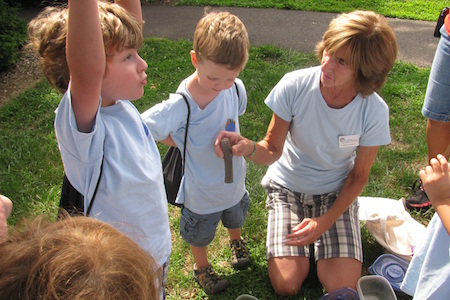
Field trips are designed to teach students about plants in the arboretum, and encourage discussion of how these plants are important to nature. While using their five senses, students can also learn about animals, natural resources, and seeds. Programs for older students may involve studying the structure of flowers, working with data, observing wildlife, and more. Programs may also be tailored to fulfill your specific curriculum needs.
supports classroom learning in:
Environmental Studies, Science.
topics covered:
Animals, Plants, Ecology, Biology, Classification, Conservation, Earth Science, Environmental Science, Gardening.
contact info
Name: Lisa Bailey.
Phone: 215-247-5777 ext. 157
Email: [email protected]
INFO
ABOUT
Morris Arboretum
The Morris Arboretum is the official arboretum of the Commonwealth of Pennsylvania, whose thousands of woody plants include many of Philadelphia's oldest, rarest, and largest trees. Morris Arboretum’s natural areas—including wetlands, meadows, and woodlands—provide ample opportunity for groups to see many species of birds, butterflies, and other creatures. The visitor center features work by artists and photographers, taking groups on a journey through the history and seasons of the Morris Arboretum.
Register for a guided program, or see the forest from a new perspective on the Out on a Limb canopy walk! Field trip programs encompass ecology, sustainability, trees, and more.
contact info
Hrs: Mon.-Fri. 10AM-4PM. Weekend and summer hours vary, see website.
HELPFUL LESSON PLAN(S)
Prepared by FieldTripDirectory.com
Botanical Garden Lesson Plan
FUN FACTS
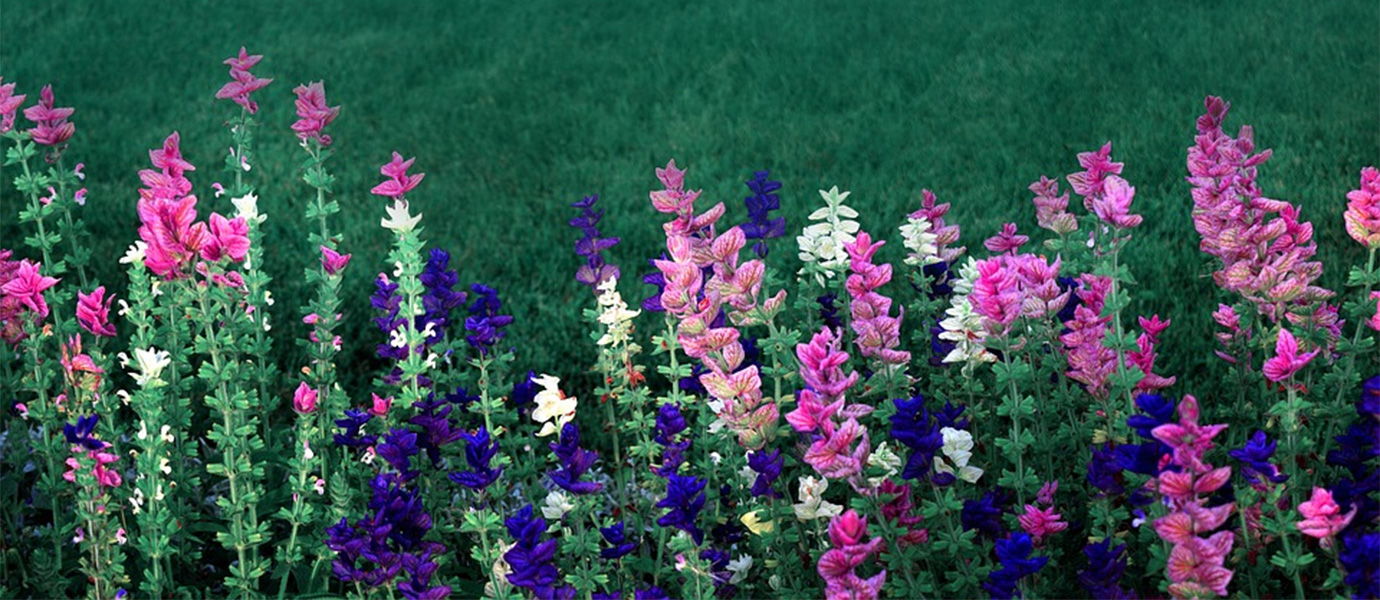
The diverse world of plants is perhaps the weirdest, and most fascinating, of all living things. Bamboo can grow over three feet in one day (you can literally watch it grow). There are 600 species of carnivorous plants, which trap and digest insects, frogs, or small birds (if a vegetarian eats this plant, are they still a vegetarian?). The world’s largest flower, Rafflesia, can grow up to three feet in diameter (how big would a bouquet be…). Do a little digging on your next trip to a botanical garden (not literally!), and see what interesting plant facts you can find.
View Lesson Plan>>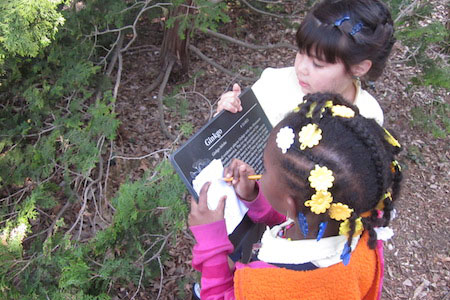
SCOUTS
Tours for scout groups can be designed to meet many nature-themed badge requirements, including forestry, nature, flowers, and trees. Programs can involve a mix of guided exploration and hands-on activities. Scout groups with tour reservations will also receive the Morris Arboretum Fun Patch!
supports scout badges in:
Environmental Science, Science.
topics covered:
Animals, Plants, Ecology, Biology, Classification, Conservation, Earth Science, Environmental Science, Gardening.
contact info
Name: Lisa Bailey.
Phone: 215-247-5777 ext. 157
Email: [email protected]
INFO
ABOUT
Morris Arboretum
The Morris Arboretum is the official arboretum of the Commonwealth of Pennsylvania, whose thousands of woody plants include many of Philadelphia's oldest, rarest, and largest trees. Morris Arboretum’s natural areas—including wetlands, meadows, and woodlands—provide ample opportunity for groups to see many species of birds, butterflies, and other creatures. The visitor center features work by artists and photographers, taking groups on a journey through the history and seasons of the Morris Arboretum.
Register for a guided program, or see the forest from a new perspective on the Out on a Limb canopy walk! Field trip programs encompass ecology, sustainability, trees, and more.
contact info
Hrs: Mon.-Fri. 10AM-4PM. Weekend and summer hours vary, see website.
HELPFUL LESSON PLAN(S)
Prepared by FieldTripDirectory.com
Botanical Garden Lesson Plan
FUN FACTS
The diverse world of plants is perhaps the weirdest, and most fascinating, of all living things. Bamboo can grow over three feet in one day (you can literally watch it grow). There are 600 species of carnivorous plants, which trap and digest insects, frogs, or small birds (if a vegetarian eats this plant, are they still a vegetarian?). The world’s largest flower, Rafflesia, can grow up to three feet in diameter (how big would a bouquet be…). Do a little digging on your next trip to a botanical garden (not literally!), and see what interesting plant facts you can find.
View Lesson Plan>>
CAMP
Tours for camp groups teach about the importance of trees, stewardship of the environment, and nature observation. Examples of hands-on activities include collection of natural materials, studying the structure of flowers, recording wetland flora and fauna, and brainstorming ways to better preserve the environment.
topics covered:
Animals, Plants, Ecology, Biology, Classification, Conservation, Earth Science, Environmental Science, Gardening.
contact info
Name: Lisa Bailey.
Phone: 215-247-5777 ext. 157
Email: [email protected]
INFO
ABOUT
Morris Arboretum
The Morris Arboretum is the official arboretum of the Commonwealth of Pennsylvania, whose thousands of woody plants include many of Philadelphia's oldest, rarest, and largest trees. Morris Arboretum’s natural areas—including wetlands, meadows, and woodlands—provide ample opportunity for groups to see many species of birds, butterflies, and other creatures. The visitor center features work by artists and photographers, taking groups on a journey through the history and seasons of the Morris Arboretum.
Register for a guided program, or see the forest from a new perspective on the Out on a Limb canopy walk! Field trip programs encompass ecology, sustainability, trees, and more.
contact info
Hrs: Mon.-Fri. 10AM-4PM. Weekend and summer hours vary, see website.
HELPFUL LESSON PLAN(S)
Prepared by FieldTripDirectory.com
Botanical Garden Lesson Plan
FUN FACTS
The diverse world of plants is perhaps the weirdest, and most fascinating, of all living things. Bamboo can grow over three feet in one day (you can literally watch it grow). There are 600 species of carnivorous plants, which trap and digest insects, frogs, or small birds (if a vegetarian eats this plant, are they still a vegetarian?). The world’s largest flower, Rafflesia, can grow up to three feet in diameter (how big would a bouquet be…). Do a little digging on your next trip to a botanical garden (not literally!), and see what interesting plant facts you can find.
View Lesson Plan>>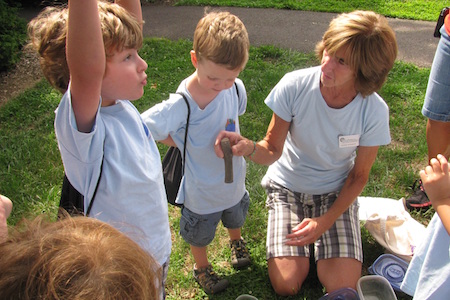
HOMESCHOOL
Field trips are designed to teach homeschoolers about plants in the arboretum, and encourage discussion of how these plants are important to nature. While using their five senses, homeschoolers can also learn about animals, natural resources, and seeds. Programs for older homeschoolers may involve studying the structure of flowers, working with data, observing wildlife, and more. Programs may also be tailored to fulfill your specific curriculum needs.
supports classroom learning in:
Environmental Studies, Science.
topics covered:
Animals, Plants, Ecology, Biology, Classification, Conservation, Earth Science, Environmental Science, Gardening.
contact info
Name: Lisa Bailey.
Phone: 215-247-5777 ext. 157
Email: [email protected]
INFO
ABOUT
Morris Arboretum
The Morris Arboretum is the official arboretum of the Commonwealth of Pennsylvania, whose thousands of woody plants include many of Philadelphia's oldest, rarest, and largest trees. Morris Arboretum’s natural areas—including wetlands, meadows, and woodlands—provide ample opportunity for groups to see many species of birds, butterflies, and other creatures. The visitor center features work by artists and photographers, taking groups on a journey through the history and seasons of the Morris Arboretum.
Register for a guided program, or see the forest from a new perspective on the Out on a Limb canopy walk! Field trip programs encompass ecology, sustainability, trees, and more.
contact info
Hrs: Mon.-Fri. 10AM-4PM. Weekend and summer hours vary, see website.
HELPFUL LESSON PLAN(S)
Prepared by FieldTripDirectory.com
Botanical Garden Lesson Plan
FUN FACTS
The diverse world of plants is perhaps the weirdest, and most fascinating, of all living things. Bamboo can grow over three feet in one day (you can literally watch it grow). There are 600 species of carnivorous plants, which trap and digest insects, frogs, or small birds (if a vegetarian eats this plant, are they still a vegetarian?). The world’s largest flower, Rafflesia, can grow up to three feet in diameter (how big would a bouquet be…). Do a little digging on your next trip to a botanical garden (not literally!), and see what interesting plant facts you can find.
View Lesson Plan>>