
School
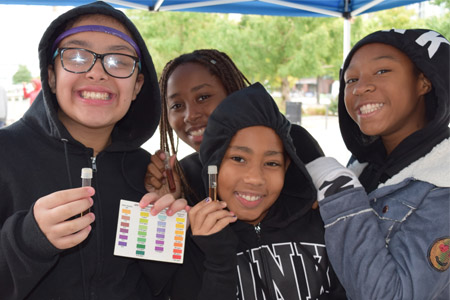
Hudson River Park offers environmental education programs to schools and other organized groups, using the Hudson River waterfront as its classroom. Field trip programs allow students to interact with the River and Park through enriching and fun activities that inspire the scientist within each student! They can practice catch and release fishing, learn about fish anatomy, go on a land-based scavenger hunt, investigate food webs, investigate the Hudson River’s water quality, and more. The Maritime Voyage program incorporates historical artifacts and storytelling as students learn about the New York waterfront, parts of a ship, and how to tie three knots.
supports classroom learning in:
Environmental Studies, Social Studies.
topics covered:
Birds, Ecology, Marine Life, Maritime History, Navigation, Pollution.
contact info
Name: Hudson River Park’s Estuary Lab.
Phone: 212-627-2020
Email: [email protected]
INFO
ABOUT
Hudson River Park Estuary Lab
The Hudson River Park Estuary Lab offers hands-on education and interactive scientific research with the purpose of communicating the ecological importance of the Park’s 400-acre Estuarine Sanctuary. Through the Estuary Lab’s park-wide programs, visitors are invited to experience the river as a living laboratory for community engagement and stewardship. Hudson River Park Estuary Lab hosts free and low-cost environmental education programs using the Hudson River waterfront as its classroom.
contact info
Hrs: By appointment.
HELPFUL LESSON PLAN(S)
Prepared by FieldTripDirectory.com

Nature Exploration Lesson Plan
FUN FACTS
One single tree can provide the oxygen required for two human beings and over 8,000 sheets of paper. Trees can also clean the soil and air by absorbing harmful pollutants. So what have you done for a tree lately? Nature centers and state parks provide a hands-on environment to discover facts about native plants and animals, as well as ways to preserve these natural resources.
View Lesson Plan>>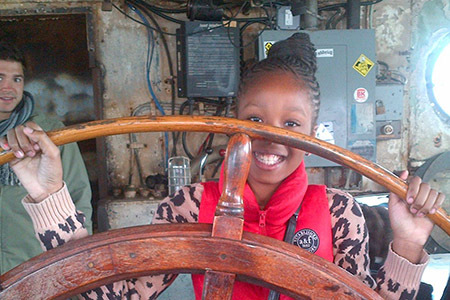
Scouts
Hudson River Park offers environmental education programs to organized groups, using the Hudson River waterfront as its classroom. Field trip programs will allow scouts to interact with the River and Park through enriching and fun activities! They can practice catch and release fishing, learn about fish anatomy, go on a land-based scavenger hunt, investigate food webs, investigate the Hudson River’s water quality, and more. The Maritime Voyage program incorporates historical artifacts and storytelling about the New York waterfront, parts of a ship, and how to tie three knots.
supports scout badges in:
Environmental Science, Social Studies.
topics covered:
Birds, Ecology, Marine Life, Maritime History, Navigation, Pollution.
contact info
Name: Hudson River Park’s Estuary Lab.
Phone: 212-627-2020
Email: [email protected]
INFO
ABOUT
Hudson River Park Estuary Lab
The Hudson River Park Estuary Lab offers hands-on education and interactive scientific research with the purpose of communicating the ecological importance of the Park’s 400-acre Estuarine Sanctuary. Through the Estuary Lab’s park-wide programs, visitors are invited to experience the river as a living laboratory for community engagement and stewardship. Hudson River Park Estuary Lab hosts free and low-cost environmental education programs using the Hudson River waterfront as its classroom.
contact info
Hrs: By appointment.
HELPFUL LESSON PLAN(S)
Prepared by FieldTripDirectory.com
Nature Exploration Lesson Plan
FUN FACTS
One single tree can provide the oxygen required for two human beings and over 8,000 sheets of paper. Trees can also clean the soil and air by absorbing harmful pollutants. So what have you done for a tree lately? Nature centers and state parks provide a hands-on environment to discover facts about native plants and animals, as well as ways to preserve these natural resources.
View Lesson Plan>>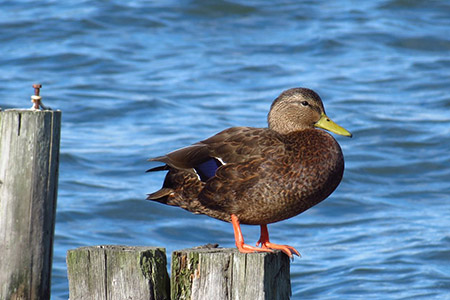
Camp
Hudson River Park offers environmental education programs to organized groups, using the Hudson River waterfront as its classroom. Field trip programs will allow campers to interact with the River and Park through enriching and fun activities! Campers can learn about river science, ecology, navigation, and more. Activities might include catch and release fishing, exploring the park’s habitats, using nets to catch and study plankton, and learning about a docked historic vessel.
topics covered:
Birds, Ecology, Marine Life, Maritime History, Navigation, Pollution.
contact info
Name: Hudson River Park’s Estuary Lab.
Phone: 212-627-2020
Email: [email protected]
INFO
ABOUT
Hudson River Park Estuary Lab
The Hudson River Park Estuary Lab offers hands-on education and interactive scientific research with the purpose of communicating the ecological importance of the Park’s 400-acre Estuarine Sanctuary. Through the Estuary Lab’s park-wide programs, visitors are invited to experience the river as a living laboratory for community engagement and stewardship. Hudson River Park Estuary Lab hosts free and low-cost environmental education programs using the Hudson River waterfront as its classroom.
contact info
Hrs: By appointment.
HELPFUL LESSON PLAN(S)
Prepared by FieldTripDirectory.com
Nature Exploration Lesson Plan
FUN FACTS
One single tree can provide the oxygen required for two human beings and over 8,000 sheets of paper. Trees can also clean the soil and air by absorbing harmful pollutants. So what have you done for a tree lately? Nature centers and state parks provide a hands-on environment to discover facts about native plants and animals, as well as ways to preserve these natural resources.
View Lesson Plan>>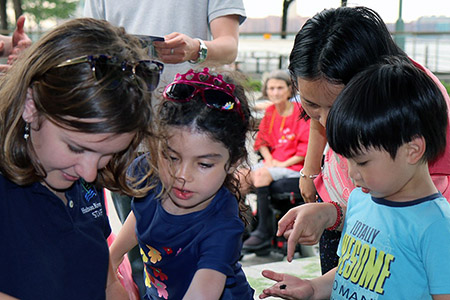
Homeschool
Hudson River Park offers environmental education programs to organized groups, using the Hudson River waterfront as its classroom. Field trip programs will allow homeschoolers to interact with the River and Park through enriching and fun activities! They can practice catch and release fishing, learn about fish anatomy, go on a land-based scavenger hunt, investigate food webs, investigate the Hudson River’s water quality, and more. The Maritime Voyage program incorporates historical artifacts and storytelling about the New York waterfront, parts of a ship, and how to tie three knots.
supports classroom learning in:
Environmental Studies, Social Studies.
topics covered:
Birds, Ecology, Marine Life, Maritime History, Navigation, Pollution.
contact info
Name: Hudson River Park’s Estuary Lab.
Phone: 212-627-2020
Email: [email protected]
INFO
ABOUT
Hudson River Park Estuary Lab
The Hudson River Park Estuary Lab offers hands-on education and interactive scientific research with the purpose of communicating the ecological importance of the Park’s 400-acre Estuarine Sanctuary. Through the Estuary Lab’s park-wide programs, visitors are invited to experience the river as a living laboratory for community engagement and stewardship. Hudson River Park Estuary Lab hosts free and low-cost environmental education programs using the Hudson River waterfront as its classroom.
contact info
Hrs: By appointment.
HELPFUL LESSON PLAN(S)
Prepared by FieldTripDirectory.com
Nature Exploration Lesson Plan
FUN FACTS
One single tree can provide the oxygen required for two human beings and over 8,000 sheets of paper. Trees can also clean the soil and air by absorbing harmful pollutants. So what have you done for a tree lately? Nature centers and state parks provide a hands-on environment to discover facts about native plants and animals, as well as ways to preserve these natural resources.
View Lesson Plan>>
FAMILY
The summertime is bursting with fun-filled enrichment opportunities for families—Hudson River Park offers free fun at the water's edge! Go Big City Fishing and engage with environmental educators on topics such as water quality and fish biology; join an EcoPaddle to explore local aquatic wildlife; or stop by on a Science Saturday when the whole family can enjoy hands-on activities including larger than life experiments, microscopic investigations, nature-inspired crafts, and more.
During the fall, enjoy family events like the Pumpkin Smash and Release of the Fishes. Check the calendar for upcoming events.
topics covered:
Animals, Biology, Conservation, Crafts, Environmental Science, Hiking, History, Marine Science, Nature, Physical Activity.
contact info
Phone: 212-627-2020
INFO
ABOUT
Hudson River Park Estuary Lab
The Hudson River Park Estuary Lab offers hands-on education and interactive scientific research with the purpose of communicating the ecological importance of the Park’s 400-acre Estuarine Sanctuary. Through the Estuary Lab’s park-wide programs, visitors are invited to experience the river as a living laboratory for community engagement and stewardship. Hudson River Park Estuary Lab hosts free and low-cost environmental education programs using the Hudson River waterfront as its classroom.
contact info
Hrs: By appointment.
HELPFUL LESSON PLAN(S)
Prepared by FieldTripDirectory.com
Nature Exploration Lesson Plan
FUN FACTS
One single tree can provide the oxygen required for two human beings and over 8,000 sheets of paper. Trees can also clean the soil and air by absorbing harmful pollutants. So what have you done for a tree lately? Nature centers and state parks provide a hands-on environment to discover facts about native plants and animals, as well as ways to preserve these natural resources.
View Lesson Plan>>